Services

Wastewater Engineering

On-Site Wastewater Design and Environmental Compliance

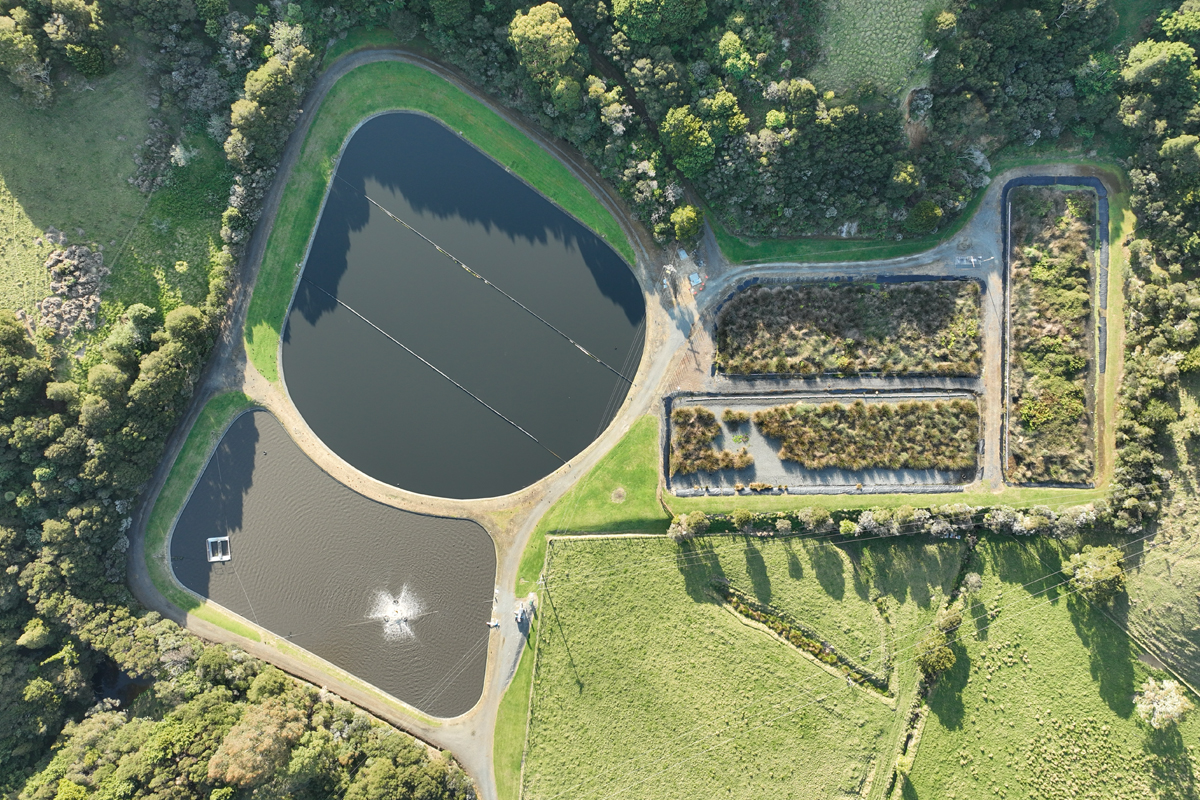
Wastewater engineering involves the analysis, design, and permitting of systems to collect, treat, and dispose of effluent safely. In Northland, a significant proportion of properties sit outside public sewer networks, requiring site-specific systems to manage wastewater on-site.

Our civil engineering team evaluates soil profiles, topography, and environmental constraints to design reliable treatment and disposal systems. We handle the process from initial site investigation through to council consenting, balancing public health requirements with practical construction methods. Our experience covers residential alterations, custom architectural homes, pump stations, schools, and commercial developments across the region.

Engineering Services

We deliver civil wastewater solutions designed to meet NZS 1547, TP58, and regional environmental standards, supporting regulatory compliance and long-term functionality.

Let's work together

  • Commercial Treatment and Pump Stations
    Engineering design and hydraulic analysis for schools, commercial developments, and community facilities.
  • Effluent Disposal Solutions
    Design of low-pressure effluent irrigation, shallow subsurface drip lines, sand filters, and evapotranspiration beds.
  • Site and Soil Evaluations
    In-situ soil permeability testing, logging, and desktop assessment to establish land absorption capacities.
  • System Extensions and Remedial Design
    Performance assessments and upgrade designs for existing systems undergoing residential extensions or structural alterations.
  • Regulatory Compliance and Permitting
    Preparation of technical assessments and management of the council discharge consent process from start to finish.

Project Triggers for Wastewater Engineering

Specific engineering assessment and design documentation are required or recommended under the following development conditions:

Request a Consultation

  • Building on an Unserviced Site
    Rural and lifestyle blocks that cannot connect to a public reticulated sewer require an engineered on-site wastewater system to be fully consented before construction can begin.
  • Subdividing Land
    Proposed subdivisions outside sewer zones must demonstrate that each new lot can successfully treat and dispose of wastewater within its boundaries to support the resource consent application.
  • Modifying or Extending an Existing Residence
    Adding bedrooms or reconfiguring living spaces increases the potential hydraulic load on a system. Councils require an engineering evaluation of the existing septic asset to verify compliance or design a system expansion.
  • Replacing a Failing Asset
    Older, failing, or undersized septic systems that breach environmental rules must be assessed and replaced with an engineered system that satisfies current standards.
  • Permitted Discharge Upgrades
    Many older properties hold historical permitted discharge status. When site constraints or regulations change, we design modern replacement systems to transition properties smoothly to compliant configurations.

Regional Civil and Environmental Constraints

Northland's diverse geology and sub-tropical climate introduce specific boundary conditions that dictate wastewater treatment configurations:

Request a Consultation

  • Low-Permeability Clay Soils
    Heavy clay soils with poor soakage rates are widespread across the region. These soils limit rapid ground absorption, requiring larger disposal footprints or specialised low-pressure drip irrigation to manage effluent without surface ponding.
  • High Water Tables and Low-Lying Sites
    High seasonal water tables and low-lying terrain reduce the depth of unsaturated soil available for filtration. Conventional gravity septic systems are often unviable on these sites, requiring higher treatment levels or raised disposal fields.
  • Coastal and Waterway Setbacks
    Proximity to sensitive marine environments, estuaries, and freshwater streams introduces strict environmental boundaries. Northland Regional Council rules enforce setbacks to protect receiving environments, meaning treatment levels must be calculated carefully.
  • Off-Grid and Non-Powered Sites
    Remote or off-grid properties lacking a reliable power connection face system constraints. On these sites, we engineer gravity-fed treatment systems, utilising septic tanks paired with sand filters or specialised disposal beds to function effectively without mechanical aeration pumps.
Engineering and Documentation Workflow

We follow a systematic process to evaluate the physical constraints of your property and deliver fully consented documentation.

Request a Consultation

  • Step 1 – Scope and Preliminary Review
    We review your site address, architectural brief, or subdivision plan alongside local environmental data to outline the necessary scope and provide an engineering fee estimate.
  • Step 2 – Field Investigation and Soil Evaluation
    Our engineers conduct an on-site assessment to log soil profiles, measure slopes, establish water table indicators, and execute site testing to confirm appropriate loading of the soils.
  • Step 3 – Hydraulic Sizing and System Design
    We calculate daily design flow volumes based on occupancy or development type. From this data, we size the treatment tank capacities and design an effluent land application layout configured to NZS 1547 or TP58 guidelines.
  • Step 4 – Council Application and Approval
    We compile the site plan, site evaluation reports, and design calculations, for provision to council for building or resource consent approval as required.

FAQs

All on-site systems are designed in accordance with NZS 1547 (On-site Domestic Wastewater Management) or TP58 criteria, achieving compliance with territorial authority rules.

Yes. Constrained or steep hillside sites require tailored engineering layouts. We utilise high-level secondary treatment systems paired with subsurface drip lines to match the exact topography and land area available.

Occasionally. While many standard residential systems achieve permitted activity status under regional rules, developments that exceed volume thresholds or violate environmental setbacks or are placed on steep land require a formal resource consent for discharge.

Yes. For off-grid installations, we design non-powered gravity treatment networks. These setups rely on septic tanks, sand filters, or passive treatment beds to break down and distribute effluent safely without electrical components.

The evaluation involves digging test pits or drilling hand augers to log soil categories, identifying any groundwater tables, measuring ground slopes, and performing testing to establish how much effluent the ground can safely absorb.